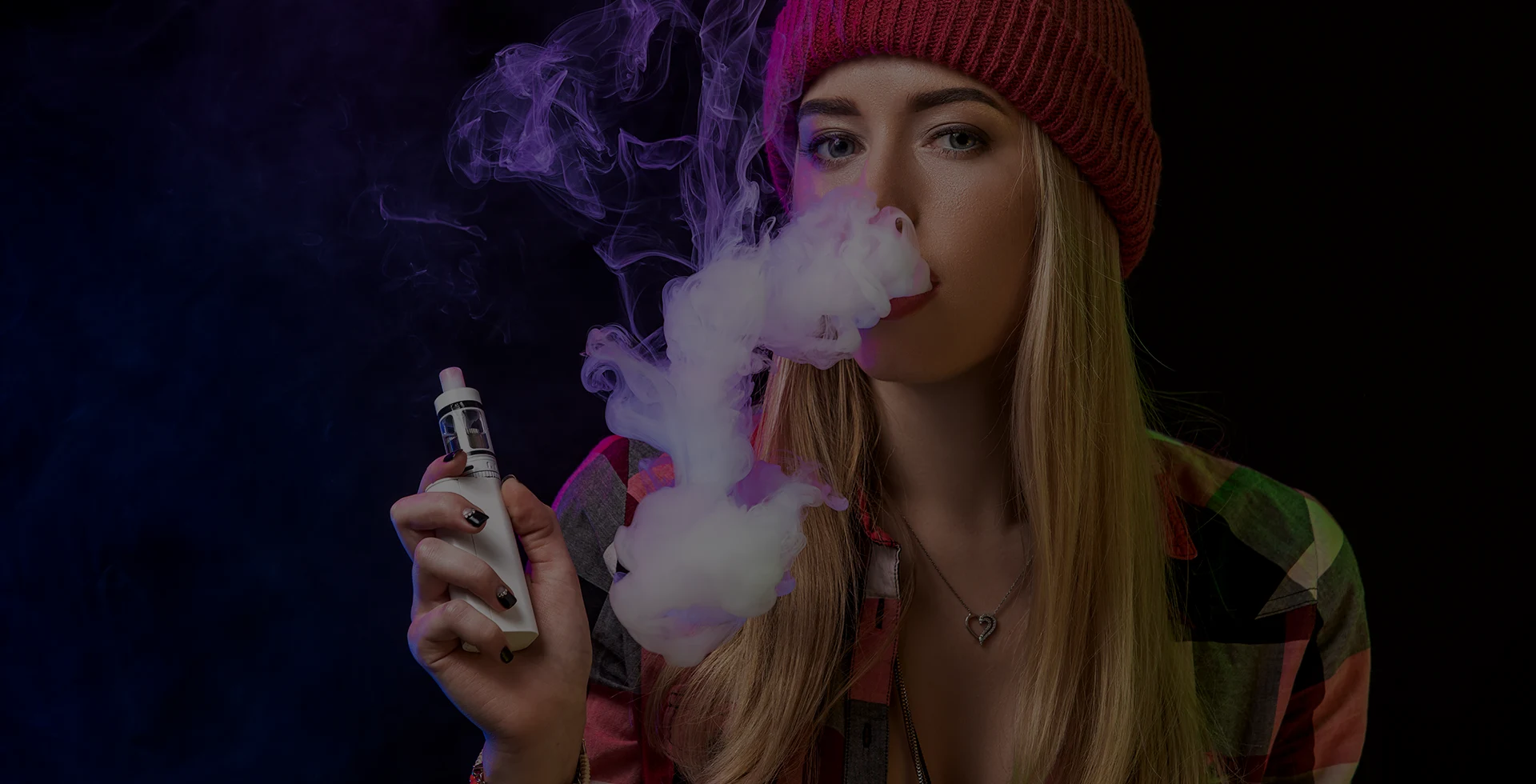
Evolution of smoking and vaping
Centuries of cultivation have transformed raw botanical leaves into complex products, while recent engineering introduced electronic devices that vaporize liquid formulations entirely.
Cultivation of distinct botanical leaves
Soil composition and regional climates dictate the chemical development within plants, yielding leaves that range from naturally sweet to intensely robust profiles.
Following the harvest, specialized curing barns control environmental moisture and temperature to dry the harvest slowly. This delicate atmospheric management prevents cellular decay, locking in essential oils and altering the color spectrum from pale yellow to deep, resonant dark brown.
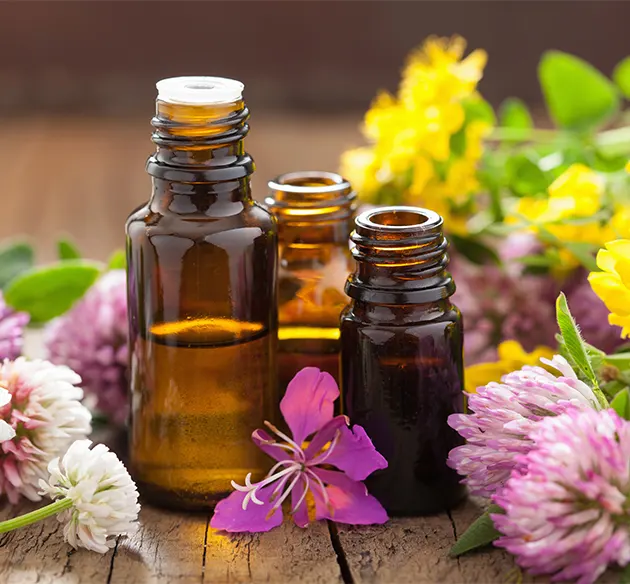
Precision in handcrafted puros
Master artisans carefully layer specific leaf types to regulate combustion rates and orchestrate complex sensory experiences during the gradual burning process.

Selecting filler cores
Intact central leaves provide structural integrity and form the primary aromatic foundation.

Applying binder layers
Elastic intermediate foliage compresses the inner bunch to ensure an even draw.

Securing outer wrappers
Flawless, shade-grown exterior pieces deliver the final aesthetic finish and delicate textures.
Mechanisms of electronic vaporizers
Battery-powered microprocessors regulate electrical current sent to a resistance wire, instantly transforming stored fluids into an inhalable aerosol without initiating combustion.
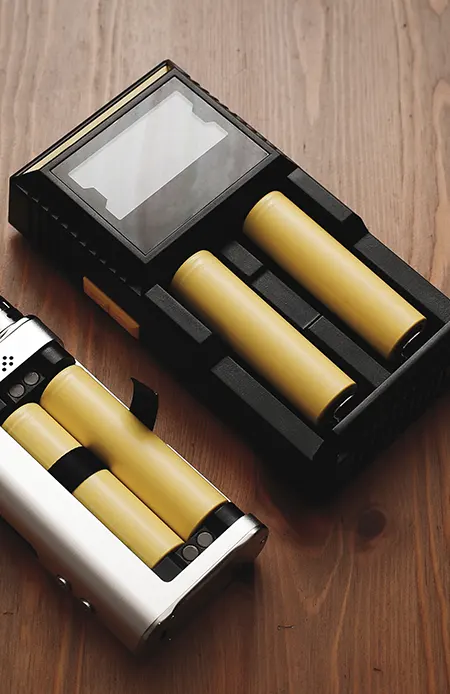
Lithium power sources
High-discharge cells deliver consistent voltage required for rapid thermal element activation.
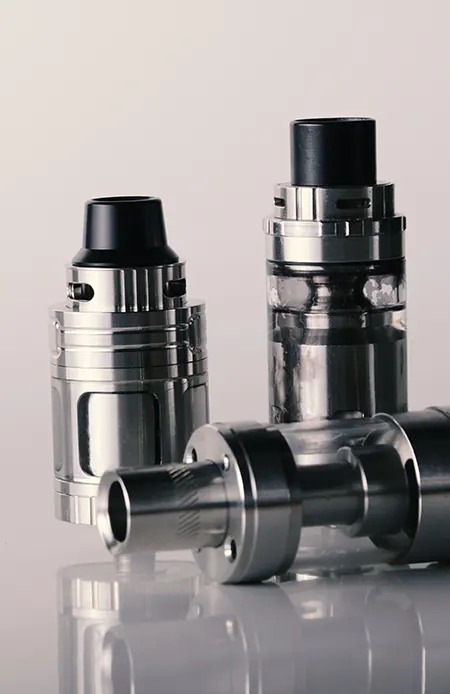
Fluid reservoir tanks
Sealed cylindrical chambers hold the consumable mixture while preventing external atmospheric leakage.
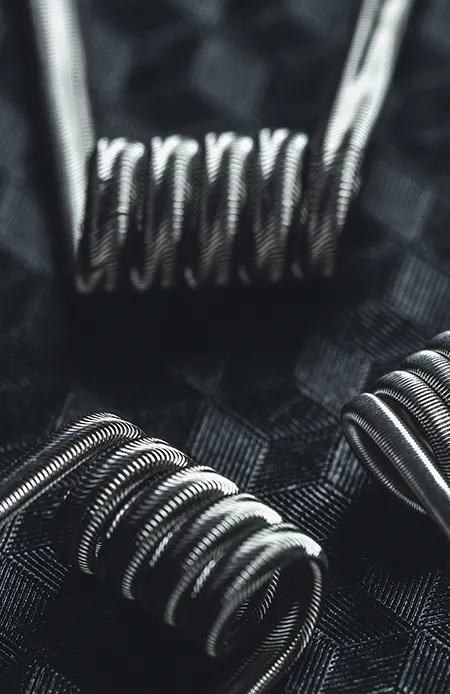
Heating coil assemblies
Metallic spirals wrapped around absorbent cotton wicks vaporize the saturated internal liquid.
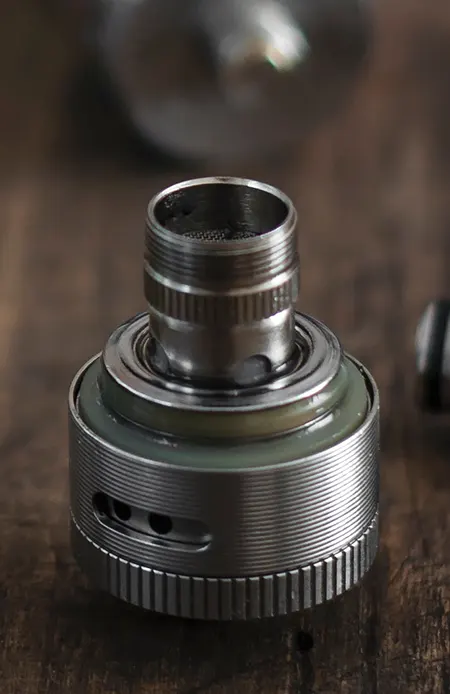
Adjustable airflow rings
Rotating base vents allow users to customize the inhalation resistance and density.
Combustion versus vaporizatio
Traditional methods rely on igniting organic matter, producing complex chemical reactions at extreme temperatures. Conversely, modern electronic alternatives utilize controlled thermal energy to atomize solutions below burning points, fundamentally altering the physical state of the substance without generating solid ash residue.
Formulation of synthetic liquids
Laboratory technicians blend pharmaceutical-grade carrier agents with concentrated aromatic extracts to create diverse sensory profiles designed specifically for low-temperature aerosolization.
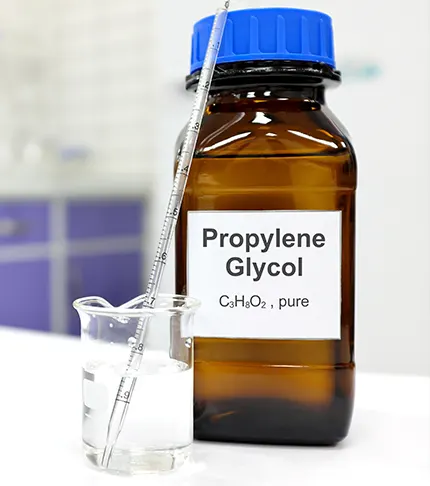
Propylene glycol ratios
Thinner viscosity liquids provide a pronounced sensory throat sensation.
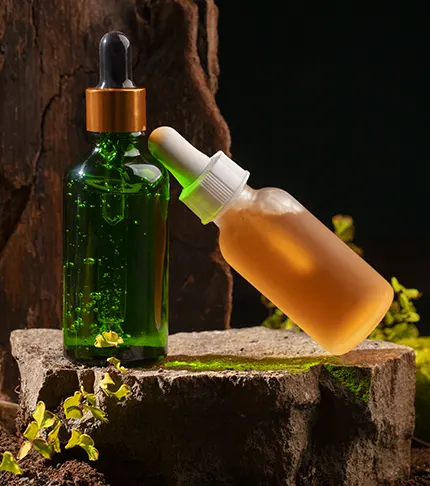
Vegetable glycerin base
Denser organic compounds generate significantly larger, thicker vapor clouds.
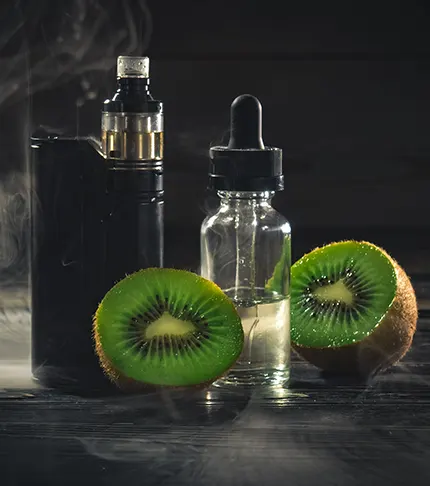
Aromatic profile infusion
Food-grade volatile molecules recreate distinct fruit or dessert notes.
Environmental preservation systems
Porous wooden enclosures equipped with calibrated hygrometers maintain a constant relative humidity, preventing fragile wrappers from cracking while allowing internal blends to mature gracefully over several years.
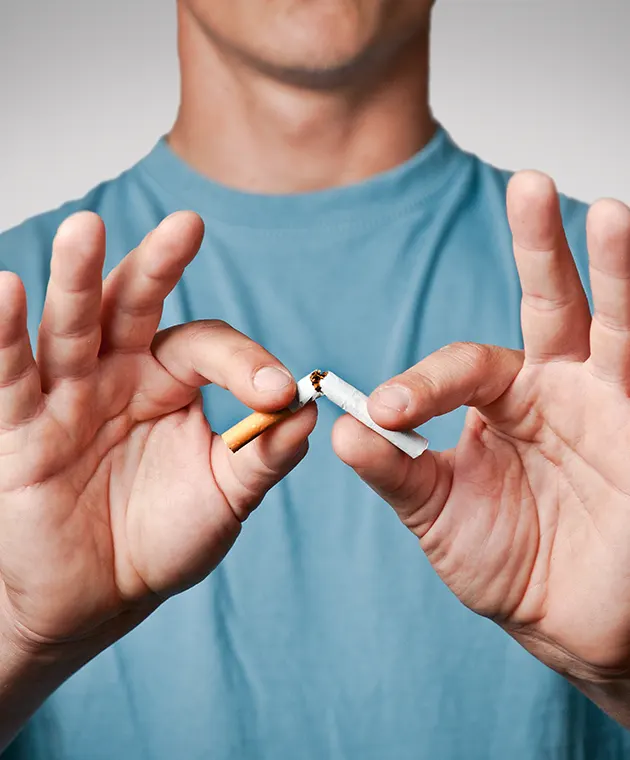
Neurological dependencies and cessation methods
Alkaloid compounds bind to specific cerebral receptors, triggering dopamine release that establishes deeply ingrained physiological and behavioral habits.